Travel Decode
  • Home
  • About
    • Work With Me
    • Contact Me
  • Destinations
    • Asia
    • Europe
  • Smart Travel
    • Itineraries
    • Budget Hacks
    • Travel Tech & Gear
    • Flight Booking Logic
  • Toolkit
    • Recommended Apps
    • Booking Sites
  • Consulting
  • Blog
  • Menu Menu

Archive for category: Asia

You are here: Home1 / Destinations2 / Asia

Kuala Lumpur Tourist Spots – A Real, Budget-Friendly Guide for First-Time Travelers

January 17, 2026/in Asia, Destinations, Malaysia /by admin

When people talk about Southeast Asia, Kuala Lumpur doesn’t always get the spotlight it deserves. And honestly, that’s part of its charm. KL is a city that doesn’t try too hard. It just works. It’s modern but traditional. Busy but manageable. And most importantly, it’s friendly on your wallet.

If you’re planning your first overseas trip or trying to keep costs under control, exploring Kuala Lumpur tourist spots is a smart move. You get iconic landmarks, amazing food, cultural diversity, and smooth transport, all without spending like you would in cities such as Singapore or Hong Kong.

This guide is written the way I’d explain KL to a friend. No hype. No fluff. Just real experiences, simple tips, and places that are actually worth your time and money.

Kuala Lumpur – A City That’s Easy to Love

Kuala Lumpur feels welcoming from the moment you arrive. English is widely spoken. Signs are clear. Transport makes sense. And you don’t feel lost or overwhelmed, even if this is your first international trip.

The best thing? Many of the top Kuala Lumpur tourist spots are either free or very affordable. You don’t need a packed itinerary. Just comfortable shoes, a transit card, and an open mind.

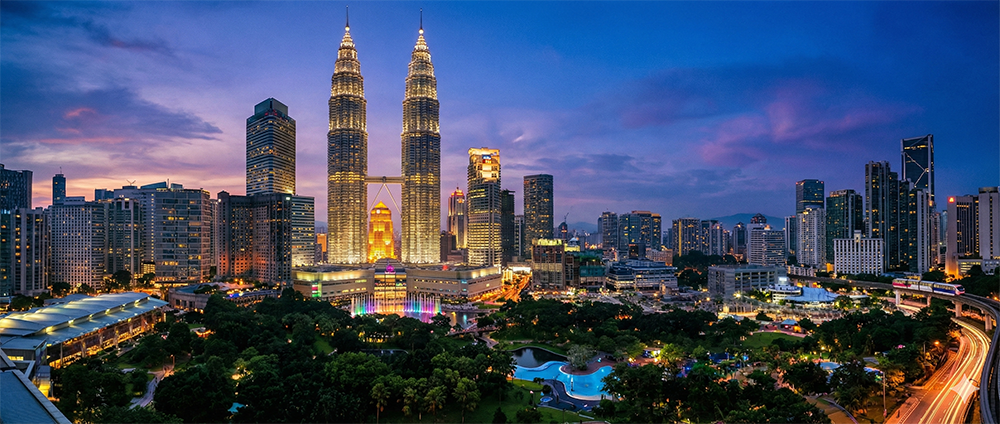
Let’s start with the obvious. The Petronas Twin Towers are the face of Kuala Lumpur. Even if you don’t go inside, just being there feels special.

KLCC Park around the towers is completely free. It’s clean, green, and perfect for photos. The evening light show adds magic without costing a single ringgit.

Budget tip

Skip the skybridge ticket unless it’s a dream of yours. The view from outside is already stunning and free.

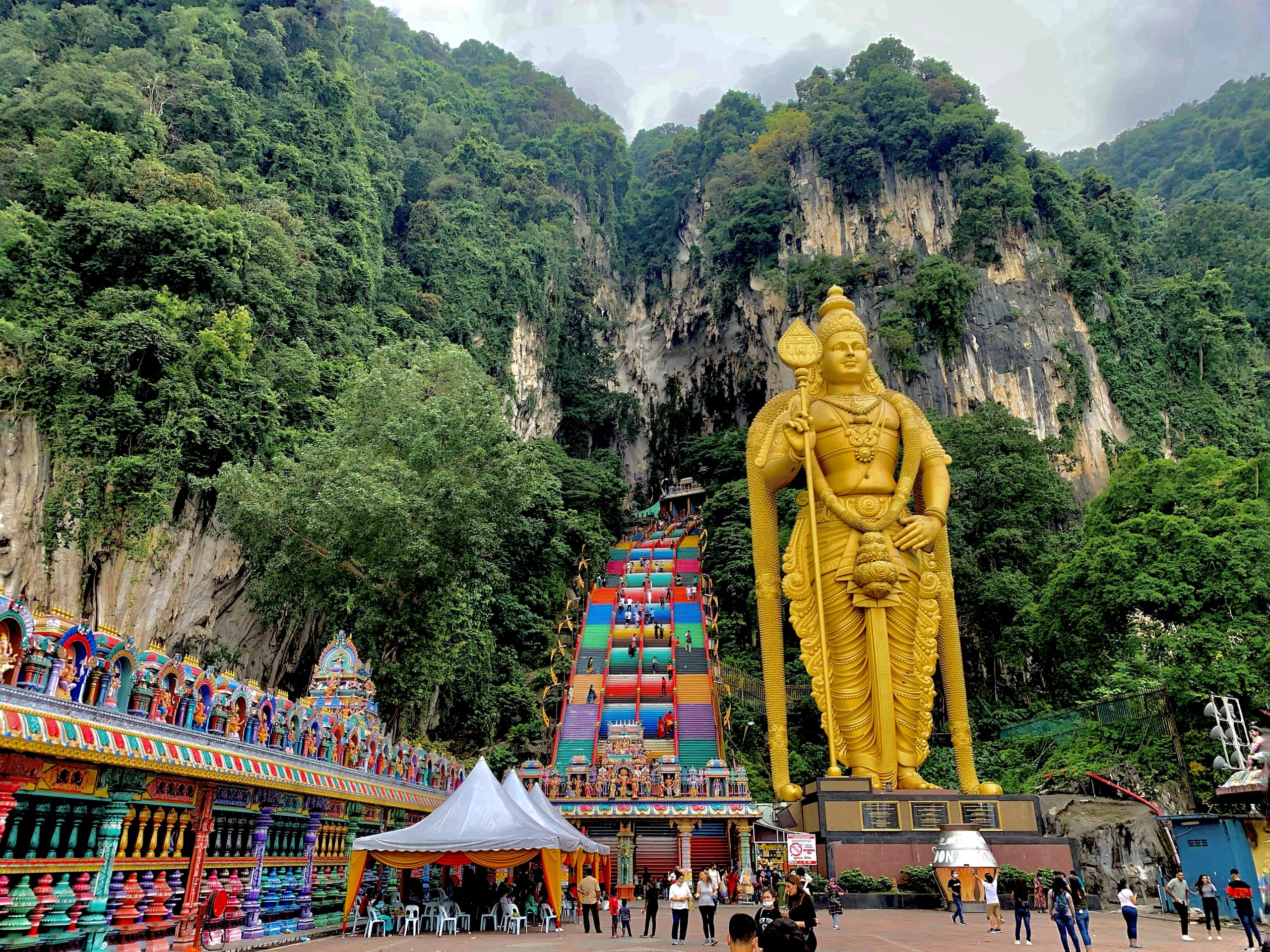
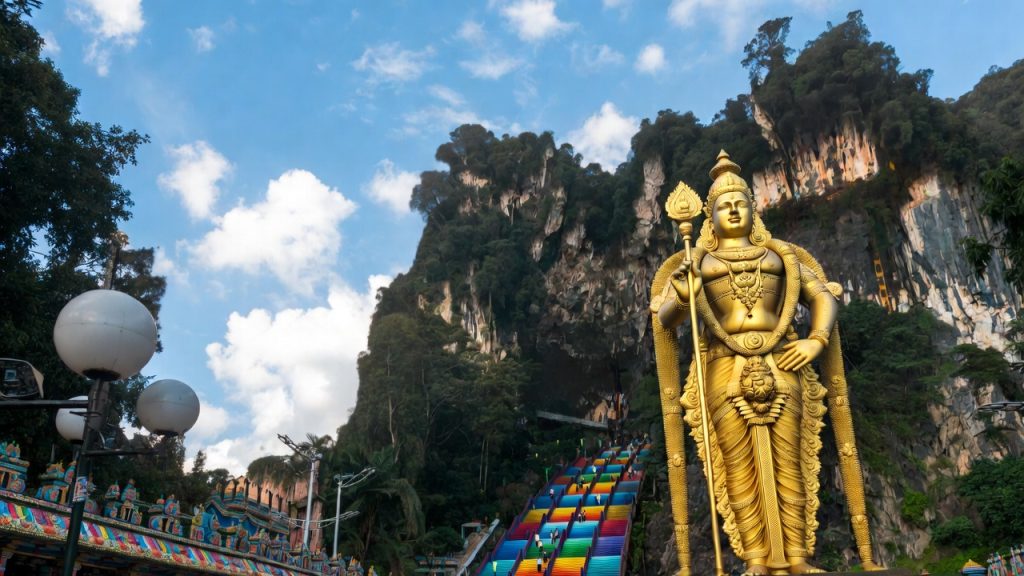
Batu Caves – Culture, Color, and Zero Entry Fee: Batu Caves is one of those places that stays in your memory. The massive golden statue. The colorful staircase. The limestone caves. And the best part? Entry is free. You only pay if you want to explore deeper cave sections. Even reaching the main temple gives you the full experience.

Practical advice

Go early in the morning. It’s cooler and less crowded. Wear comfortable shoes and dress modestly.

Merdeka Square is calm, open, and full of history. This is where Malaysia declared independence. Walking around here feels slow and peaceful compared to the rest of the city.

The architecture alone makes it worth visiting. Sultan Abdul Samad Building looks especially beautiful in the evening when lights come on.

Why it’s budget-friendly

You don’t need a guide. Just walk, read signs, take photos, and soak in the atmosphere.

https://www.traveldecode.com/wp-content/uploads/2026/01/Batu_Caves_stairs_2022-05-scaled.jpg 1920 2560 admin https://www.traveldecode.com/wp-content/uploads/2025/12/Logo_100.png admin2026-01-17 12:16:122026-02-01 10:57:45Kuala Lumpur Tourist Spots – A Real, Budget-Friendly Guide for First-Time Travelers

Best Places to Visit in Malaysia and Save Money During Your Trip

January 17, 2026/in Asia, Destinations, Malaysia /by admin

If you’re planning your first trip to Southeast Asia and don’t want to burn a hole in your pocket, Malaysia deserves a serious look. It’s one of those rare countries where you can enjoy big cities, beaches, mountains, food, culture, and history without constantly checking your wallet. I’ve always felt Malaysia is underrated. It quietly gives you great value while other destinations shout about luxury.

In this guide, I’ll walk you through the best places to visit in Malaysia and save money during your trip to Malaysia, especially if you’re a new traveler or someone who likes to travel smart. I’ll also share practical tips I wish someone had told me before my first visit.

This isn’t a glossy brochure-style article. Think of it as advice from a friend who’s already been there and wants you to enjoy more while spending less.

Why Malaysia Is a Budget Traveler’s Dream

Before jumping into destinations, let’s talk about why Malaysia works so well for budget travel.

  • Public transport is reliable and cheap

  • Food is incredibly affordable and filling

  • Accommodation fits every budget

  • English is widely spoken

  • Attractions are often free or low-cost

You don’t need to compromise comfort to save money here. You just need to know where to go and how to plan.

Kuala Lumpur – Big City Experience Without Big Costs

Kuala Lumpur, or KL as everyone calls it, is usually the first stop. And honestly, it’s perfect for budget travelers.

What makes KL budget-friendly

  • Metro, monorail, and buses are cheap

  • Many attractions are free

  • Street food is everywhere

You can visit the iconic Petronas Twin Towers area for free. Walking around KLCC Park costs nothing and gives you amazing skyline views. Batu Caves? Free entry again. Just climb the steps.

Budget tips for KL

  • Use Grab instead of taxis

  • Eat at food courts and street stalls

  • Stay slightly outside the city center

Bukit Bintang is lively but expensive. Areas like Chow Kit or Brickfields offer cheaper stays with good transport access.

Penang – Culture, Food, and History on a Budget

Penang is one of my favorite places in Malaysia. It feels relaxed, creative, and deeply cultural.

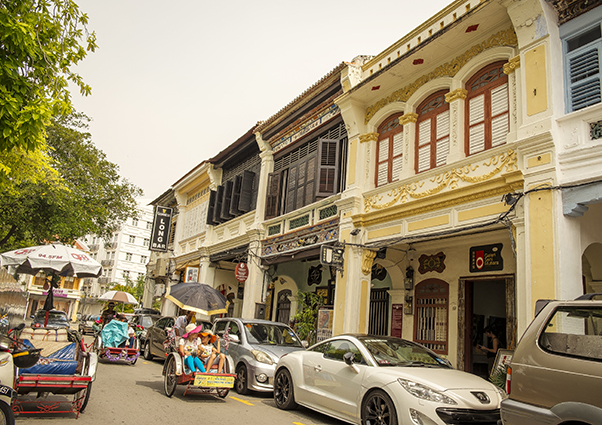
George Town, a UNESCO World Heritage site, is where most travelers hang out. The best part? Walking around is completely free.

Why Penang is great for saving money

  • Free street art trails

  • Affordable guesthouses

  • Cheap and legendary food

You can spend half a day just exploring murals and heritage streets. Local buses cost very little and connect most attractions.

Food tip

Penang is food heaven. Char kway teow, laksa, roti canai. Eat where locals eat. If a place looks simple and crowded, you’re in the right spot.

Melaka – History Without High Prices

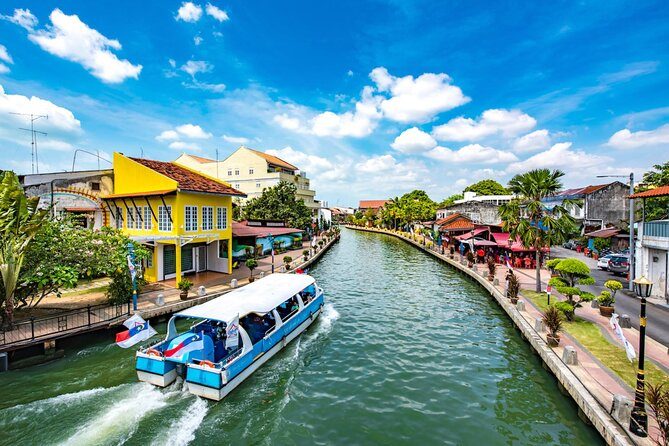
Melaka (also spelled Malacca) is small, walkable, and full of stories. Portuguese, Dutch, and British influences all blend here.

Most major sights are close together. You can explore churches, forts, museums, and riverside streets in a single day.

Budget-friendly highlights

  • Jonker Street night market

  • A Famosa ruins

  • Riverside walk

You don’t need fancy tours. Just walk, explore, and let the city unfold.

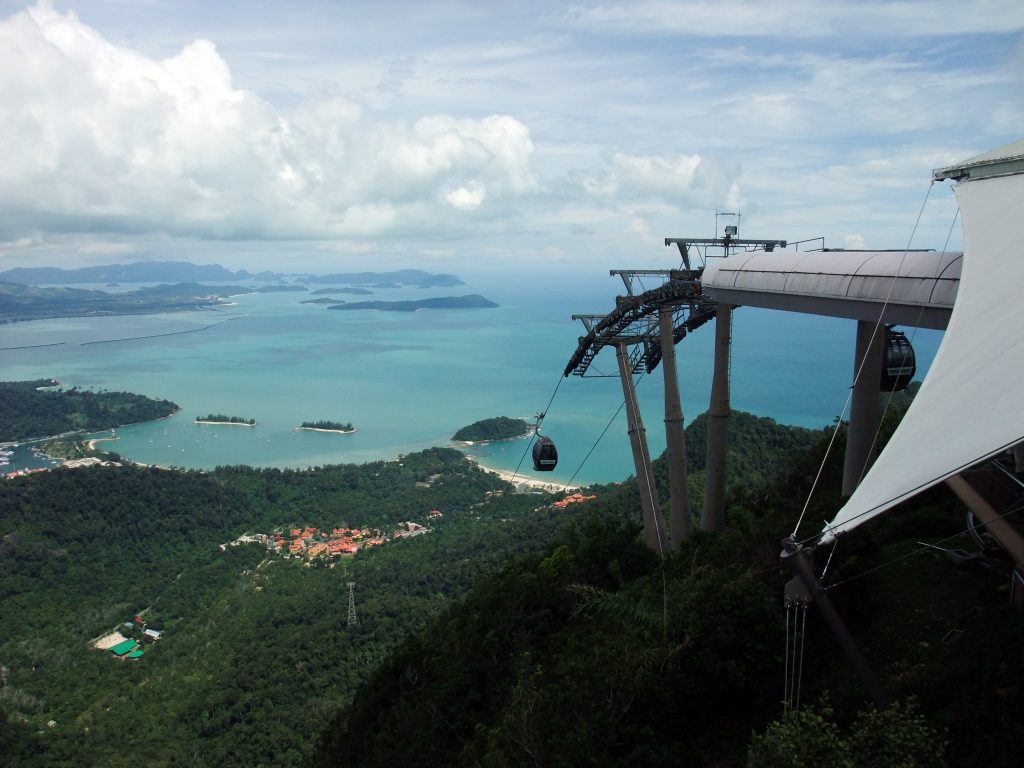
Langkawi – Beach Escape Without Luxury Prices

Langkawi sounds expensive, but it doesn’t have to be.

Yes, there are luxury resorts. But there are also budget guesthouses, cheap scooter rentals, and free beaches.

How to save money in Langkawi

  • Stay in Pantai Cenang area

  • Rent a scooter instead of taxis

  • Skip overpriced island tours

Beaches are free. Sunsets are free. And duty-free shopping helps keep food and alcohol prices lower than the mainland.

Cameron Highlands – Cool Weather and Cheap Nature

If you’re tired of the heat, head to Cameron Highlands.

This area is all about tea plantations, cool weather, and green views. Many trails are free to explore. Walking through tea gardens costs nothing and feels refreshing.

Budget tips

  • Use local buses

  • Skip guided tours

  • Stay in Tanah Rata for cheaper stays

A simple guesthouse, local food, and fresh air. That’s all you need here.

Kota Kinabalu Nature and Islands on a Budget

Located in Malaysian Borneo, Kota Kinabalu offers a different side of the country.

Island hopping can be affordable if you book directly at the jetty instead of through hotels. Sunsets at the waterfront are free and stunning.

Save money here by

  • Booking island trips locally

  • Eating at night markets

  • Avoiding expensive Mount Kinabalu climbs

Not everything needs to be an adventure tour. Sometimes, sitting by the sea is enough.

Getting Around Malaysia Without Overspending

Transportation in Malaysia is simple if you plan right.

  • Buses are cheap and cover most cities

  • Trains are comfortable for longer distances

  • Grab is affordable and safe

Avoid last-minute bookings. Booking buses and trains early saves money and stress.

Where to Stay to Save Money in Malaysia

You don’t need luxury hotels to enjoy Malaysia.

  • Guesthouses are clean and friendly

  • Budget hotels offer great value

  • Hostels are safe and social

Look for places near public transport. Location matters more than star ratings.

Eating Well on a Small Budget

This is where Malaysia truly shines.

Street food isn’t just cheap. It’s amazing.

You can eat well for a few dollars if you stick to:

  • Hawker centers

  • Night markets

  • Local cafés

Avoid Western restaurants if you’re on a budget. Local food is cheaper and better.

Simple Money-Saving Tips for Malaysia

Here are some small habits that make a big difference:

  • Carry a refillable water bottle

  • Use public transport

  • Avoid tourist-only restaurants

  • Travel off-season if possible

  • Walk whenever you can

These things add up quickly.

Final Thoughts: Travel Malaysia Smart, Not Expensive

Malaysia is one of those countries that rewards travelers who slow down and explore thoughtfully. You don’t need luxury hotels or private tours to enjoy it. In fact, the more local you travel, the richer the experience becomes.

If your goal is to explore Asia, stretch your budget, and still enjoy comfort, culture, and great food, Malaysia ticks all the boxes.

Travel smart. Spend less. Experience more.

That’s what Malaysia does best.

https://www.traveldecode.com/wp-content/uploads/2026/01/Gemini_Generated_Image_3wu5f13wu5f13wu5.png 424 1000 admin https://www.traveldecode.com/wp-content/uploads/2025/12/Logo_100.png admin2026-01-17 12:07:132026-01-17 12:07:13Best Places to Visit in Malaysia and Save Money During Your Trip

Best Places to Visit in Singapore and Save Money During Your Trip

January 12, 2026/in Asia, Destinations, Singapore /by admin

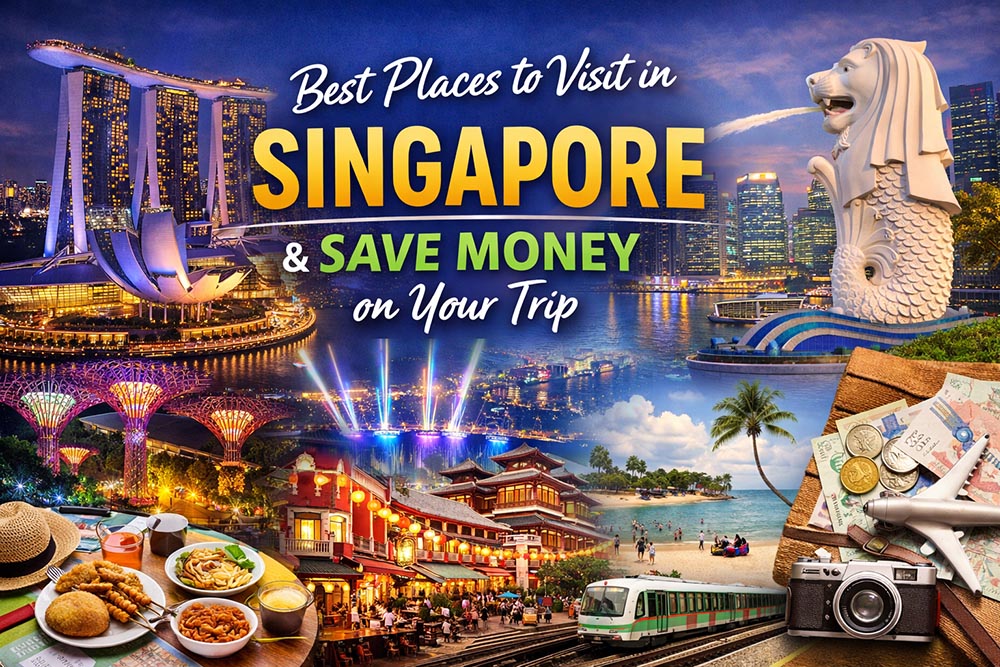
As a traveler who loves exploring the world without watching my bank account hit zero, I’ve found that the Lion City is actually one of the most accessible destinations for us. You just have to know how to “decode” it.

In this guide, I’m going to walk you through the best places to visit in Singapore and, more importantly, exactly how to save money during your trip to Singapore. From hacking the flight prices to finding meals that blow your mind for under $5, let’s get into it.

Part 1: The Pre-Trip Strategy (Don’t Lose Money Before You Fly)

Most people blow their budget before they even leave India. If you are reading this anywhere in North India, your journey likely starts with a flight from Delhi.

The Flight Hack

Direct flights from Delhi or Mumbai are convenient, sure. But convenience costs money. If you have a little flexibility, check flights departing from Chennai (MAA) or Tiruchirappalli (TRZ). I know, it sounds like a hassle to fly south first. But I’ve seen tickets from these airports go for ₹6,000 to ₹8,000 cheaper one way compared to Delhi. If you’re traveling with family, that savings pays for your entire hotel stay.

Also, timing is everything. Avoid June and December like the plague—those are school holidays. Aim for February to April. The weather is decent (well, it’s always hot, but less rainy), and the flight prices dip significantly.

The “Water Bottle” Rule

This is going to sound small, but it saves me hundreds of dollars on every trip. Bring a sturdy, reusable water bottle.

In India, we are wired to buy bottled water because we can’t trust the tap. In Singapore, the tap water is World Health Organization standard. It is perfectly safe to drink. A bottle of water at a tourist spot like the Zoo or Sentosa can cost SGD 3 (that’s nearly ₹180!). If you buy three bottles a day over a 5-day trip, you just wasted almost ₹3,000 on water. Fill up at the airport, at your hotel, and at public fountains. It’s free.

Part 2: Where to Sleep (Without Crying)

Accommodation is the biggest pain point in Singapore. Rooms are small, and prices are high. But you have options.

The “Geylang” Secret

If you search for budget hotels, you will see a lot of them located in an area called Geylang. You might also read that Geylang is Singapore’s “red-light district.” Don’t panic. Unlike red-light districts in other parts of the world, Geylang is incredibly safe, well-lit, and monitored by police. The hotels here (like the Hotel 81 chain or ibis Budget) are clean and significantly cheaper than the ones in the city center. plus, Geylang has some of the best late-night food in the country. If you just need a place to shower and sleep, this is how you save big.

Pod Hotels

If you are traveling solo or with friends, try a “Capsule” or “Pod” hotel. You get a private, futuristic bunk to sleep in. It’s a cool experience and costs a fraction of a regular room. Look for places like The Pod or Cube Boutique.

Part 3: The Best Places to Visit in Singapore (That Are Totally Free)

Okay, let’s get to the fun part. You don’t need to buy tickets for everything. In fact, my favorite spots in the city cost absolutely nothing.

1. Gardens by the Bay (The Smart Way)

You’ve seen the photos of the Supertrees—those giant, metal, tree-like structures. Many tourists think you have to pay to enter the Gardens. You don’t. Entry to the main outdoor gardens is 100% free. You only pay if you want to go inside the cooled domes (Cloud Forest/Flower Dome) or walk on the Skyway bridge.

The Insider Tip: Skip the paid Skyway. Instead, head to the Supertree Grove around 7:30 PM. Find a nice patch of grass right under the trees and just lie down. At 7:45 PM, the Garden Rhapsody starts. It’s a light and music show where the trees “dance” to the music. It is magical, spectacular, and completely free.

2. The Jewel at Changi Airport

Don’t rush out of the airport when you land! The Jewel is a destination in itself. It houses the HSBC Rain Vortex, the world’s tallest indoor waterfall. It is mesmerizing to watch the water cascade down from the roof forest. It costs nothing to view. At night, they project lights onto the water. It’s the perfect welcome to the city.

3. Marina Bay & The Spectra Show

You don’t need to book a room at the Marina Bay Sands (MBS) to enjoy the vibe. Walk along the waterfront boardwalk in the evening. The breeze is nice, and the skyline view is unbeatable. Must-Do: Every night at 8:00 PM and 9:00 PM, MBS puts on a show called Spectra. It involves lasers, water jets, and orchestral music. It’s better than many paid shows I’ve seen in Europe. After the show, walk over to the Merlion Park to get that mandatory selfie with the water-spouting lion.

4. Sentosa Island (On a Budget)

Sentosa is usually a money trap. It’s a resort island. But you can hack it.

  • Getting there: Don’t take the Cable Car (expensive) or the Monorail (SGD 4). Instead, walk across the Sentosa Boardwalk from VivoCity Mall. It’s covered, has travelators (moving walkways), and the entry is usually free (or sometimes $1).

  • The Beach: Once you are there, the beach trams are free. Head to Siloso Beach for the vibe or Palawan Beach to walk across the suspension bridge to the “Southernmost Point of Continental Asia.”

  • Fort Siloso Skywalk: This is a hidden gem. It’s an 11-story high elevated bridge that winds through the treetops. The views are insane, and it costs zero dollars.

5. Singapore Botanic Gardens

If you want to escape the concrete, come here. It’s Singapore’s first UNESCO World Heritage site. It’s lush, green, and huge. You might even spot giant monitor lizards roaming around freely (don’t worry, they ignore humans). It opens at 5 AM, which is great if you are jet-lagged and up early.

Part 4: Cultural Enclaves (Walking is Free!)

Singapore is a melting pot of cultures. The best way to see this is on foot.

Little India

As an Indian traveler, this feels familiar yet distinct. It’s colorful, chaotic, and smells like jasmine and spices.

  • Visit: The Sri Veeramakaliamman Temple. It’s one of the oldest in Singapore and stunningly intricate.

  • Shop: Go to Mustafa Centre. It’s a 24-hour shopping mall that sells literally everything—from gold to electronics to giant bags of chocolates. Prices here are very competitive. It’s a great place to buy souvenirs (like Tiger Balm or Merlion chocolates) in bulk.

Chinatown

Head here to see the Buddha Tooth Relic Temple. It’s a massive, multi-story temple that is incredibly peaceful inside. Admission is free (just dress modestly—cover your shoulders and knees). Also, hunt for street art. There is a local artist named Yip Yew Chong who paints nostalgic murals on the walls of Chinatown. finding them is like a free treasure hunt.

Kampong Glam (Arab Street)

This is the “cool” neighborhood. Haji Lane is a tiny, narrow street packed with graffiti, hipster shops, and cafes. It’s arguably the most “Instagrammable” street in Singapore. The Sultan Mosque nearby, with its massive golden dome, makes for a stunning backdrop.

Part 5: Eating Like a King (For Peanuts)

Here is the biggest myth: “Food in Singapore is expensive.” If you eat at restaurants with air conditioning and table service? Yes, it is. But if you eat where the locals eat? It’s a paradise.

You need to eat at Hawker Centres. Think of these as open-air food courts. They are strictly regulated for hygiene (look for the ‘A’ or ‘B’ grade on the stall), so it’s very safe.

Top 3 Hawker Centres to Visit:

  1. Maxwell Food Centre: This is legendary. Go to the “Tian Tian Chicken Rice” stall. It’s famous (even Anthony Bourdain loved it). A plate of world-class chicken rice costs about SGD 5-6.

  2. Lau Pa Sat: This one is in the business district. It’s a beautiful Victorian building. At night, they close the street outside and fire up the grills for “Satay Street.” Eating meat skewers under the skyscrapers with a cold drink? Perfection.

  3. Tekka Centre (Little India): Craving a good dosa or biryani? This is the spot. You can get a massive meal and a Teh Tarik (pulled tea) for under SGD 5.

The “Chope” Rule: If you see a packet of tissues on an empty table at a Hawker Centre, do not move it. That means the seat is taken. Locals put tissues down to “reserve” (chope) their seat while they go order food. It’s the unwritten law of the land. Respect the tissue!

Part 6: Getting Around

Taxis and Grab (the local Uber) will destroy your budget. Stick to the MRT (Mass Rapid Transit). It’s clean, freezing cold (great for cooling down), and goes everywhere.

The Card Dilemma: You will hear about the “Singapore Tourist Pass” which gives unlimited rides. Honestly? It’s usually not worth it unless you are rushing to 10 places a day. Just buy a regular EZ-Link card (store value card) at the station, or use your contactless credit/debit card if it has low international fees. Most rides cost between $1 and $2. You pay for exactly what you use.

Part 7: One Last Money Hack (The GST Refund)

Singapore has a Goods and Services Tax (GST) of 9% (as of 2026). If you do shop for clothes, shoes, or electronics, and you spend more than SGD 100 at a participating store, show your passport at the checkout. They will digitally tag your purchase.

When you are leaving Singapore, go to the eTRS (Electronic Tourist Refund Scheme) kiosk at Changi Airport before you fly out. Scan your passport, and you get that tax money back. It’s basically an instant 7-8% discount on your shopping.

Conclusion

Singapore is easy to love, but hard to leave (mostly because the food is so good). Don’t let the scary price tags online stop you. If you skip the fancy cocktails and the high-end hotels, and instead embrace the Hawker culture and the public parks, you can have an incredible time on a modest budget.

Pack light, bring your walking shoes, and don’t forget that water bottle. The Lion City is waiting for you.

Safe travels and happy saving!

— Travel Decode

https://www.traveldecode.com/wp-content/uploads/2026/01/Singapore-copy.jpg 667 1000 admin https://www.traveldecode.com/wp-content/uploads/2025/12/Logo_100.png admin2026-01-12 13:04:502026-01-12 13:05:54Best Places to Visit in Singapore and Save Money During Your Trip

The Thailand Digital Arrival Card Demystified: Your Stress-Free, Budget-Savvy Guide

January 9, 2026/in Asia, Destinations, Thailand /by admin

Let’s be honest. The paperwork part of travel is nobody’s favorite. It’s that last hurdle between you and the smell of Thai street food, the warmth of that island sun, the chaos and charm of Bangkok. For years, the Thailand Arrival Card was a flimsy piece of paper you fumbled for on the plane, pen leaking, scrambling for your flight number. But times have changed. Enter the Thailand Digital Arrival Card—a modern solution that, when understood, can make your entry smoother, faster, and start your budget trip on the right foot.

As someone who’s stood in those long immigration lines after a 14-hour flight, I’m here to decode this digital shift for you. This isn’t just a bureaucratic update; it’s a tool for the savvy traveler. Used correctly, it can save you precious time (and time is money on a short trip) and avoid unnecessary stress. Let’s break it down, human to human.

What Exactly Is the Thailand Digital Arrival Card?

First, let’s clear up the jargon. You might see it called the Thailand Digital Arrival Card, the Thailand E-Arrival Card, or the TM6 Digital Form. They all refer to the same thing: the online, pre-arrival registration that replaces the old paper TM6 card.

Think of it as a digital hello to Thai immigration. You’re providing the same essential details—passport info, flight details, address in Thailand—but you’re doing it from the comfort of your couch, your hostel, or even your layover airport, as long as you have an internet connection.

Crucial Point: This is NOT a visa. It does not replace a tourist visa if you need one. It is simply the mandatory arrival/departure card for all foreign entrants, whether you’re visa-exempt, arriving with a visa-on-arrival, or holding a pre-issued visa. If you’re a tourist from most Western countries staying under 30 days (or 60 days with the new extension for some nationalities), you’re likely visa-exempt, and this digital card is your key step.

Why This is a Game-Changer for Budget Travelers

This is where the “Travel Decode” philosophy kicks in. Something as simple as a digital form can have ripple effects on your budget and experience.

  1. The Time-Saving Advantage: Picture this. Two flights land simultaneously. One plane is filled with travelers who have their digital QR codes ready. The other is filled with people who need to fill out paper forms at crowded desks, borrowing pens, making errors. Who gets through immigration first? Who gets to the ATM, the SIM card vendor, and the first minibus to the city before the queues form? Who can maybe even catch an earlier, cheaper public ferry to the islands? You. The prepared traveler. Saving time at immigration directly translates to getting a head start on your first day, avoiding peak transport costs, and beating the crowds.

  2. Eliminate Paperwork Panic: No more worrying about losing that tiny paper slip. Your digital approval is linked to your passport and stored on your phone. Losing a piece of paper that you must present when leaving the country was a classic, anxiety-inducing traveler’s nightmare. Gone.

  3. Accuracy Means Less Hassle: Filling it out online allows you to double-check your hotel address, your flight number, and your passport expiration date. Errors on paper forms could cause delays at the counter. A smooth immigration process is priceless for your peace of mind.

Your Step-by-Step, Human-Friendly Guide to Filling It Out

The official portal is https://immigration.etravelthailand.com/. Beware of unofficial third-party sites that charge a fee! The government service is free. These copycat sites prey on new travelers’ confusion, often appearing as top ads in search engines. They might charge $20-$50 for a “service fee” for something you can do yourself in 10 minutes for free. This is your first budget travel test: find the official site.

Here’s the process, with pro-tips sprinkled in:

When to Apply: You can submit your application anytime within 30 days before your arrival date. Don’t leave it until the last minute. I recommend doing it 3-5 days before you fly. It gives you a buffer in case you need to correct anything, and it’s one major task checked off your list.

The Information You’ll Need:

  • Your passport (physical, in your hand).

  • Your flight itinerary (digital or paper).

  • The address of your first night’s accommodation. This is important.

The Form Walkthrough:

  1. Create an Account: You’ll need an email. Use one you can access easily.

  2. Add an Application: This is for you. You can add family members later under one application.

  3. Passport Details Section: Type slowly. This is the most critical part. The system will auto-fill some fields from the passport photo scan, but ALWAYS double-check. A single digit error in your passport number can render your approval invalid.

  4. Travel Details: Have your flight number ready. For “Vessel Name,” just re-enter your flight number. For the “Port of Embarkation,” this is the city your flight to Thailand directly departed from.

  5. Address in Thailand: Here’s a common hiccup. You need a specific address. If you’re backpacking and haven’t booked your second night, that’s okay. But you must have a booking for your first night. A hostel, hotel, or even a paid Airbnb receipt will do. Have the exact name and address ready. If you’re truly winging it, book a refundable/cancelable hotel for this purpose. It’s a worth-it hack for the bureaucracy.

  6. Review and Submit: Breathe, and check every field one last time.

What Happens Next?
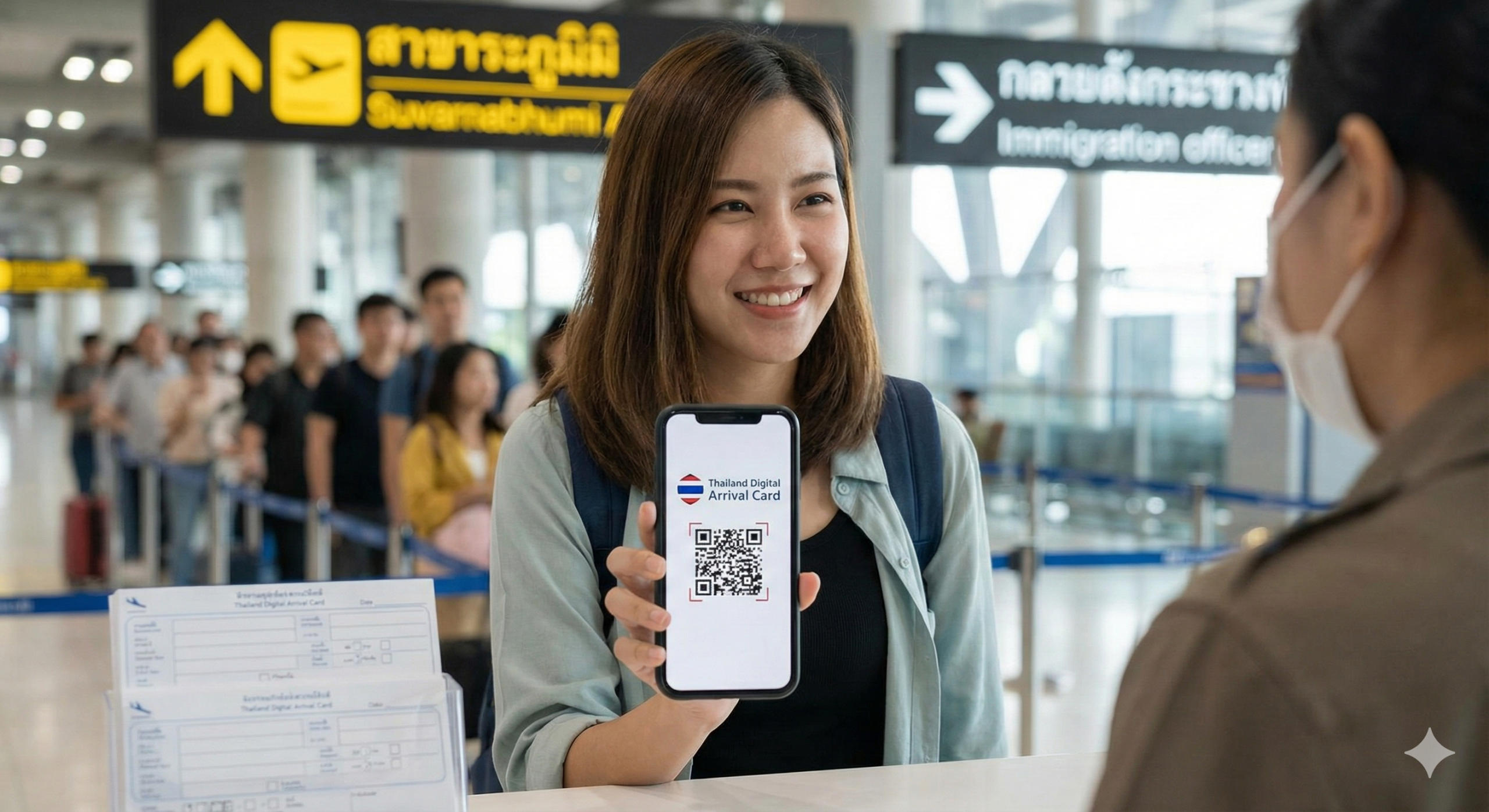
After submission, you’ll get an email acknowledgment. Approval is usually quick—often within an hour, but it can take up to 24-72 hours. Once approved, you’ll get a QR code emailed to you.

The Golden Rule: SCREENSHOT THAT QR CODE. Save it to your phone’s photos, add it to your favorites, and maybe even email it to yourself. Do not rely on having perfect internet access at Bangkok’s Suvarnabhumi (BKK) or Phuket (HKT) airport to pull up your email. Have that screenshot ready to go.

At Immigration: Your Moment of Truth

When you disembark, follow the signs to Immigration. You’ll likely see lines for “Visa on Arrival” and “All Passports.” If you are visa-exempt with your Digital Arrival Card approved, join the “All Passports” line.

When you approach the officer:

  1. Hand over your physical passport (this is non-negotiable, the digital card does not replace your passport).

  2. Have your QR code screenshot open and ready on your phone. They will likely ask to see it. They’ll scan it.

  3. You may be asked for proof of onward travel (a flight out of Thailand within your allowed stay) and proof of funds (though this is rare for mainstream tourists). It’s always wise to have a digital copy of your onward flight confirmation handy.

  4. Look at the camera for the photo. They’ll stamp your passport with your entry stamp. Check that stamp! Ensure the date is correct and that they’ve given you the correct number of days (usually 30 or 60, depending on your nationality and the current rules).

Troubleshooting & Pro-Tips for the Savvy Traveler

  • No Email/QR Code Received? First, check your spam folder. If it’s been over 72 hours, you can log back into the portal to check the status. If there’s a genuine problem, don’t panic. Airports still have paper TM6 forms available as a backup. Arrive a little earlier to fill one out manually.

  • Changing Your First Hotel? If you change your accommodation after submission, don’t stress. Immigration is highly unlikely to check. The address is primarily for administrative tracking. Just have the details of where you’re actually staying handy, just in case.

  • The Family/Group Trick: The portal allows you to add multiple family members (including children) under one application. This is a huge time-saver. Submit once for everyone.

  • Connectivity is Key: Do this while you have good Wi-Fi. Don’t try to do it on shaky airport or airplane Wi-Fi if you can avoid it.

  • Phone Number Field: If you don’t have a Thai SIM yet, put your home country mobile number with the country code. It’s fine.

The Bottom Line: Embrace the Digital, Enhance Your Journey

The Thailand Digital Arrival Card is a perfect example of how a little pre-trip digital legwork can translate into real-world ease and savings. It aligns perfectly with the smart travel ethos: be prepared, use official tools, and avoid the scams that target the unprepared.

By taking 10 minutes now to complete this, you’re buying yourself a smoother, faster entry into the Land of Smiles. You’re stepping off that plane not with a sense of bureaucratic dread, but with confidence. You’ll sail past the desks of scrambling passengers, QR code at the ready, and get your stamp with a smile. You’ll be on your way to that first glorious plate of pad thai or that first stunning beach sunset while others are still searching for a pen.

That’s the Travel Decode way. It’s not just about pinching pennies; it’s about investing your time and energy wisely to maximize the joy of the journey itself. Now, go get that QR code, and get ready for an amazing Thai adventure.

Safe travels,
The Travel Decode Team

P.S. Rules can change. While this guide is meticulously researched, always double-check the official Thailand Immigration website closer to your travel date for the absolute latest requirements. This is your final, non-negotiable pro-tip

https://www.traveldecode.com/wp-content/uploads/2026/01/arrival-card-scaled.png 1396 2560 admin https://www.traveldecode.com/wp-content/uploads/2025/12/Logo_100.png admin2026-01-09 08:02:442026-01-09 08:02:44The Thailand Digital Arrival Card Demystified: Your Stress-Free, Budget-Savvy Guide
  • Kuala Lumpur Tourist Spots – A Real, Budget-Friendly Guide for First-Time Travelers
  • Best Places to Visit in Malaysia and Save Money During Your Trip
  • Best Places to Visit in Singapore and Save Money During Your Trip
  • The Thailand Digital Arrival Card Demystified: Your Stress-Free, Budget-Savvy Guide
  • Skip Santorini: Why Paros is the Greek Island You Should Visit

About Travel Decode

Travel Decode is a passionate travel blog dedicated to real, unfiltered exploration. Founded on genuine adventures rather than desk research, every story, tip, and insight comes from personal journeys across more than 46 countries. We decode the hidden layers of destinations—going beyond tourist brochures to reveal authentic cultures, practical secrets, extreme environments, and the raw human stories that make travel meaningful. Smarter travel starts when you decode it.

Recent Posts

The Thailand Digital Arrival Card Demystified: Your Stress-Free, Budget-Savvy Guide

https://www.traveldecode.com/wp-content/uploads/2026/01/arrival-card-scaled.png 1396 2560 admin https://www.traveldecode.com/wp-content/uploads/2025/12/Logo_100.png admin2026-01-09 08:02:442026-01-09 08:02:44The Thailand Digital Arrival Card Demystified: Your Stress-Free, Budget-Savvy Guide

Skip Santorini: Why Paros is the Greek Island You Should Visit

https://www.traveldecode.com/wp-content/uploads/2025/12/Why-Paros-is-the-Greek-Island-You-Should-Visit.jpg 818 1500 admin https://www.traveldecode.com/wp-content/uploads/2025/12/Logo_100.png admin2025-12-22 06:32:252026-02-01 10:59:56Skip Santorini: Why Paros is the Greek Island You Should Visit

Decoding Japan: The Ultimate 14-Day Itinerary for First-Timers

https://www.traveldecode.com/wp-content/uploads/2025/12/japan-travel-tips.jpg 545 1000 admin https://www.traveldecode.com/wp-content/uploads/2025/12/Logo_100.png admin2025-12-22 06:25:292025-12-22 06:25:29Decoding Japan: The Ultimate 14-Day Itinerary for First-Timers

Contact Me

Scroll to top